Founder Series: Cura Para Sobar
Claudia Granados · February 16, 2023
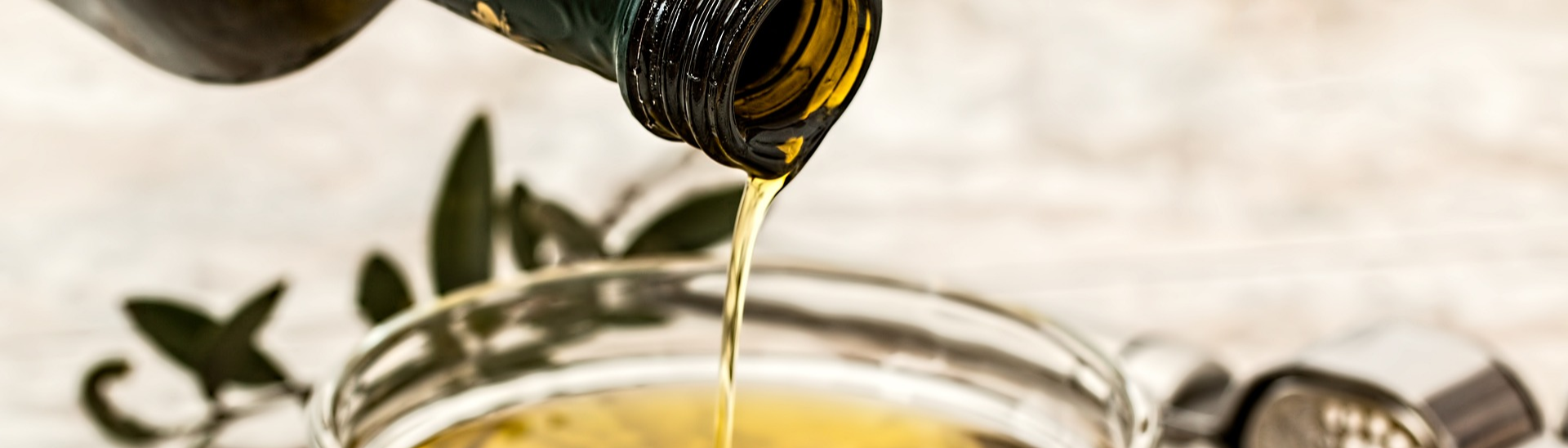
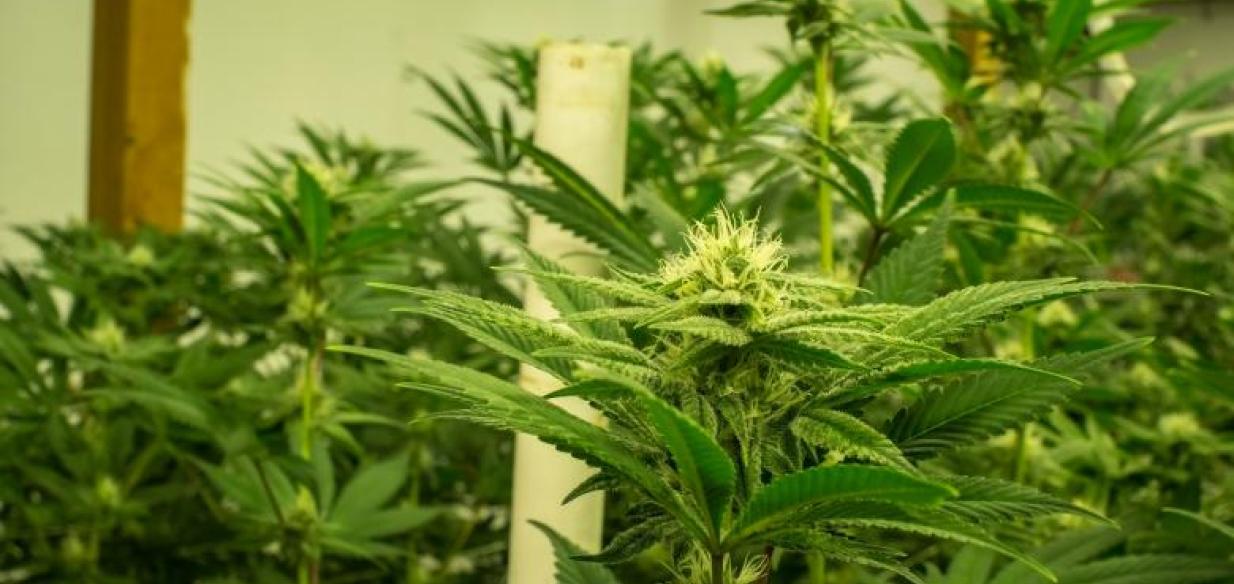
It grew in the corner of my parent's room, where the lighting was best. As the leaves spread and the plant became taller, they would cut the flowers, grind them, and add alcohol and aromatic leaves that smelled like spices. The dark concoction would be bottled up and stored away - where they knew my siblings and I couldn’t reach it. This arduous and sacrosanct process, often performed in the long hours of the night, would only produce a few bottles at a time. Still, the role it played for my working-class immigrant parents and their friends was noticeable. On occasional Sundays, their friends would come for dinner and would leave with a brown bag, often tucked in a couple of shopping bags from the grocery store. To this day, friends of my parents stop by to ask them if they have the “cura para sobar.” Throughout my childhood, my parents never directly addressed this mysterious and always-out-of-reach concoction, choosing to shelter us from it instead. This changed when my brother and I became a bit older and more responsible; what would have been a typical schoolday instead became my father pulling us aside, putting the plant on the kitchen table, and having an honest conversation with us about what the plant was. My father, attempting to keep us from being victims of the “War on Drugs,” carefully approached educating us about what I learned to be cannabis. “Marijuana,” I remember him saying in Spanish. “Touch the leaves. Smell it. Look at it. Remember the texture of the leaves. Pay close attention to the leaves so you never mistake them for other plants. This plant holds a powerful place in our family's traditions. Only adults can touch it. If you’re offered it at school or from friends in any form other than the liquid form, don’t take it. We only make it the way our family always has. If you mess around with it, the police will lock you up. You’ll never have a future.”
As immigrant children who had come to America for a better life, my father’s words deeply resonated with us. We certainly didn’t want to get in trouble with the police, and we were not about to be sent back to El Salvador (where a bloody civil war was underway). The plant itself, however, continued to confuse me. My father had warned us to never tell anyone that they possessed this plant- if we did, my father would go to jail. Why would they choose to possess such a dangerous plant? Ironically, the plant has been cultivated and used by people since around 1700 BCE. Hemp was directly introduced to Latin America in the 16th century as a part of the Columbian exchange between the Americas, West Africa, and the Old World. “Marijuana” has been intertwined with race and ethnicity since the 20th century, so it's no surprise the anti-cannabis factions wanted to cement the drug’s “Mexican-ness” as a way to play off of anti-immigrant sentiments. It wasn’t until recently that I fully understood the magnitude of fear my parents lived under for using Cannabis. Without the ability to go to the doctor (we did not have insurance), cannabis was a familiar and accessible part of my parents' working-class daily life. Their network of working-class Latino families was also in the same situation, though for some of them it was even more difficult because they were undocumented foreign residents, adding additional risk if they were to be “found out.” Our ancestors were far ahead of their time. It's our duty to destigmatize cannabis so that people like my parents, who’ve long relied on it, can consume it without living in fear of either being deported or locked up. ANJA is our way of creating a welcoming space, so that good communities can finally come together.
This article is general education for adults 21 and older. It is not medical advice, and cannabis affects everyone differently.
Ready to shop?
Delivery, drive-up pickup, or in-store in Highland Park.